
X
30% Off
All Memberships (ends Nov. 30)
Study Smarter, Spend Less.

Frame 75851

The 2026 Architecture Career Index (ACI): 59.5

Introducing the first index of how architects feel about their careers. 59.5 means expansion — even as firm billings stay in contraction. It’s a new measure of career health across the architecture profession.


Spectacular CE_ACI_1b
Career Confidence Index

A new quarterly measure of career health across the architecture profession.
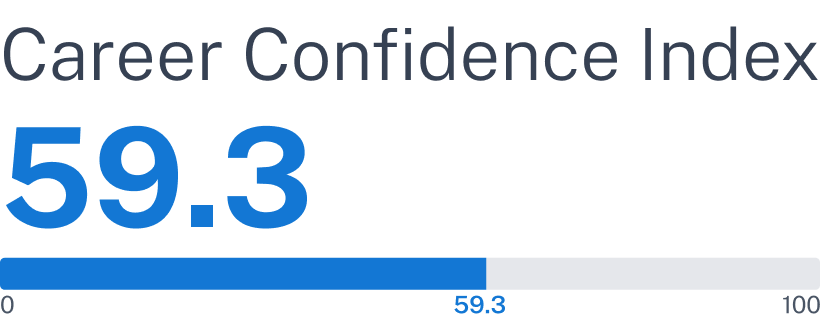
The Architecture Career Index (ACI) is a forward-looking indicator designed to track how architecture professionals feel about their careers, firms, and workload conditions over time.

Built from responses across the profession, the ACI transforms industry sentiment into a simple index that signals whether career conditions are expanding, stable, or contracting nationwide.


What’s Inside the Q1 2026 Report

The inaugural ACI report includes:

  • The national ACI score (59.5) and what it signals for the next 6 months and market outlook
  • Breakdown of career confidence, hiring expectations, and workload conditions
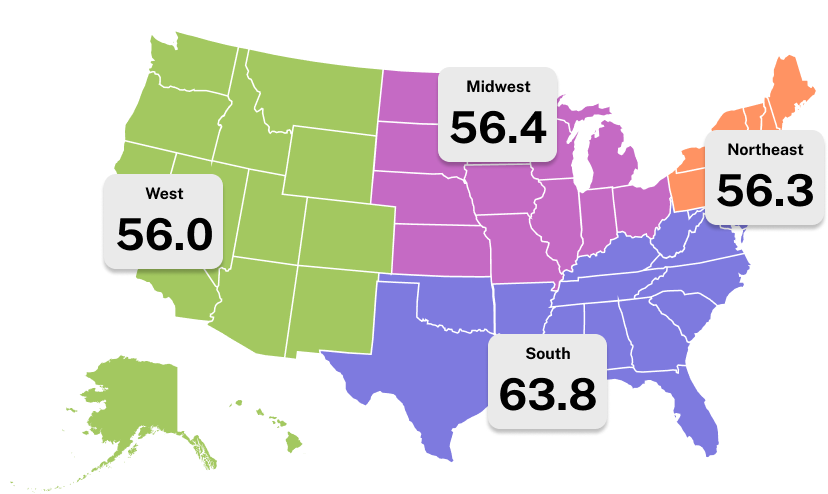
  • Regional breakdown, why the South is outpacing every other region
  • A proprietary “Fragility Gap” indicator measuring the relationship between confidence and workload

Regional ACI Performance

Nationwide Participation

The 2026 Architecture Career Index is based on responses from more than 700 licensed architects and professionals on their path to licensure across the United States, representing firms of all sizes and experience levels.

The goal of the ACI is to create an ongoing benchmark for understanding the evolving state of architecture careers nationwide.


ACI_2 data

About the Architecture Career Index

The Architecture Career Index (ACI) is designed to measure career health across the architecture profession through three core dimensions:

  • Career confidence
  • Firm hiring outlook
  • Current workload conditions

By tracking these signals consistently over time, the ACI aims to provide architecture professionals, firm leaders, educators, and industry organizations with a clearer picture of where the profession stands—and where it may be headed next.


Built Using a Diffusion Index Methodology

The ACI uses a diffusion index methodology commonly used in economic and business sentiment reporting.

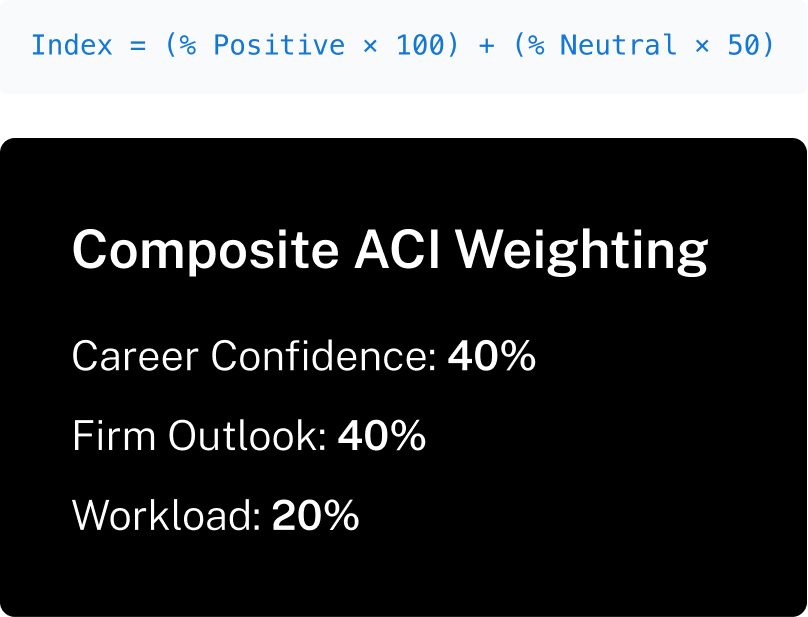
Each question is scored on a 0–100 scale using the following framework:

Index Formula

Index = (% Positive × 100) + (% Neutral × 50)

Where:

  • Positive responses = 100
  • Neutral responses = 50
  • Negative responses = 0

This methodology allows the ACI to quickly communicate directional movement:

  • 50 = Neutral
  • Above 50 = Expansion
  • Below 50 = Contraction

The composite ACI score is weighted toward forward-looking indicators:

  • Career Confidence → 40%
  • Firm Outlook → 40%
  • Workload → 20%

This weighting prioritizes where the profession appears to be heading, while still grounding the index in current activity levels.

Architecture Career Index_Methodology

View the 2026 Architecture Career Index

Explore the latest findings on architect career confidence, firm outlook, and industry trends in the inaugural Architecture Career Index (ACI).

FAQs About the ACI Index

Is architecture a good career in 2026?

The ACI reads 59.5 — an expansion signal — driven mainly by firm hiring expectations (61.7). Sentiment is cautiously optimistic across all four U.S. regions.

Are architecture firms hiring?

Firm Outlook is the strongest component of the index at 61.7, indicating firms are leaning toward hiring and growth even where current workload is still catching up.

How is the ACI different from the AIA Billings Index (ABI)?

The ABI measures firm billings (business revenue). The ACI measures career sentiment among architecture professionals — confidence, hiring outlook, and workload. They can move in opposite directions, as they do now.

Where are architecture careers strongest?

The South leads nationally with a 63.9 reading, outperforming on confidence, workload, and overall conditions.

What the confidence gap means for your next move.

The Fragility Gap shows confidence running ahead of actual workload. Architects expect a rebound that hasn't fully arrived. Historically, that gap is the window for your career. When workload catches up to firm hiring expectations, the candidates who used the slower stretch to finish licensure are first in line.